Global online sales are on track to pass $6 trillion this year. That kind of growth means more competition for every click, so the web design and SEO choices behind an online store matter more than ever. The trends reshaping e-commerce right now aren't cosmetic - they change how stores get found, how visitors behave once they land, and how many of them actually buy. Here's what's driving that shift, on both the design side and the search side.
The e-commerce landscape today
Shoppers expect a smooth, personalised experience whether they're browsing on a phone or a desktop. Google's ranking systems have moved the same way, weighting page speed, mobile usability, and content relevance more heavily than they used to. Buyers are savvier too, cross-checking search results, social media, and reviews before they commit to a purchase. The stores that do well blend strong, functional design with a deliberate SEO strategy, because neither one on its own is enough to win attention and hold trust.
Web design trends driving e-commerce success
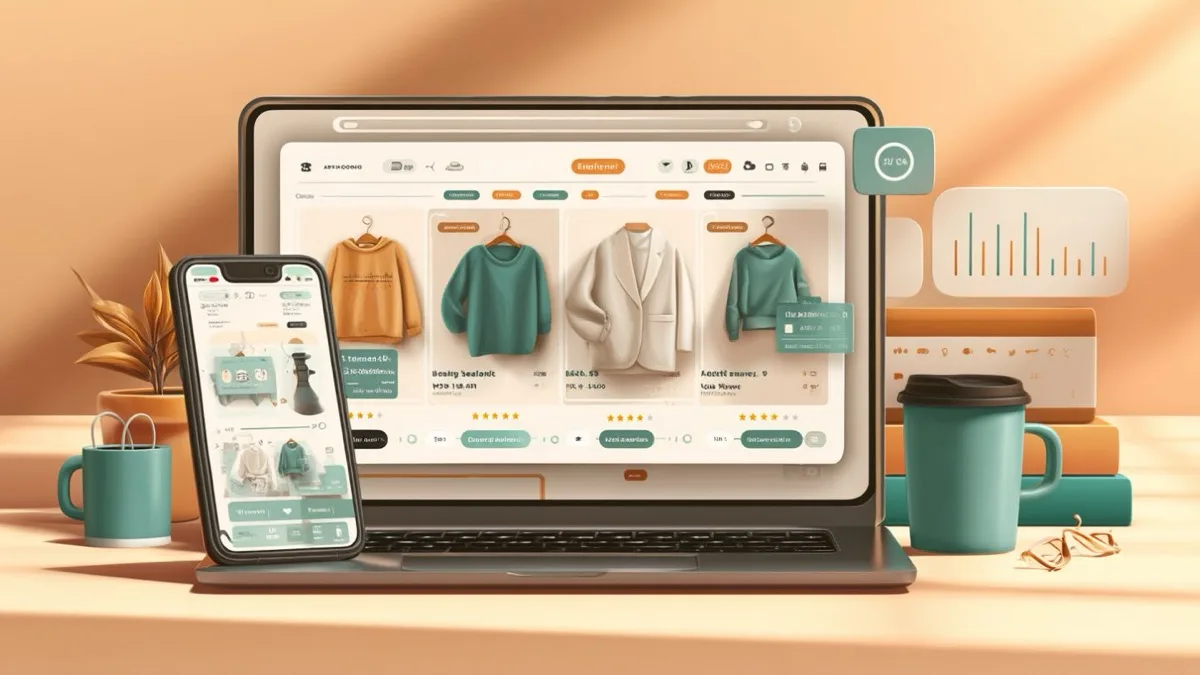
1. Mobile-first, responsive design. Mobile now accounts for over 60% of e-commerce traffic, so responsive design isn't optional. The best online stores adapt cleanly to any screen size, with fast load times and navigation that makes sense on a small screen. Progressive Web Apps (PWAs) are gaining ground too, giving shoppers an app-like experience with offline access and push notifications. ASOS is a good example: its PWA delivers a smoother mobile shopping experience, which shows up in better engagement and lower bounce rates.
2. Minimalist, immersive design. Clean layouts with plenty of white space now dominate e-commerce. They put the product front and centre, cut the clutter, and guide people toward a purchase decision instead of distracting them from one. At the same time, immersive touches - high-quality visuals, 360-degree product views, interactive elements - build an emotional connection that a static photo can't. A jewellery brand showing a necklace's sparkle on video, for instance, lets shoppers get a feel for the product before it arrives.
3. AI Personalisation. Stores are using browsing behaviour to tailor what a visitor sees: product recommendations, a customised homepage layout, even dynamic pricing. Amazon's recommendation engine reportedly drives 35% of its sales this way, by surfacing items based on what someone has already bought. Chat-based customer service tools are part of the same trend, answering questions instantly and cutting down on cart abandonment.
4. Accessibility as a priority. Inclusive design - alt text on images, keyboard navigation, high-contrast modes - is now standard practice, not an afterthought. It's partly about meeting requirements like WCAG 2.1, and partly about reach: 15% of the world's population has a disability. Stores that build accessibility in from the start pick up trust, and custom, from an audience competitors are still ignoring.
SEO trends boosting e-commerce visibility
1. Core Web Vitals and page experience. Google's Core Web Vitals, the metrics for loading speed, interactivity, and visual stability, are a real ranking factor now, not a nice-to-have. That means optimising images, using a content delivery network, and trimming unnecessary JavaScript. It's worth the effort: a site that loads in under two seconds ranks better and keeps more visitors, since 40% of people abandon a page that takes longer than three seconds to load.
2. Voice search optimisation. Smart speakers and voice assistants have changed how people search, and shoppers now use conversational phrases like "best running shoes for women near me" instead of typed keywords. Stores that optimise for long-tail, natural-language phrases and structured data show up more often in voice results. A sporting goods retailer targeting "where to buy trainers locally," for example, is writing for how people actually talk, not just how they type.
3. Video and visual search. Video now drives around 80% of online traffic, and stores embedding product demos, tutorials, or customer testimonials tend to see longer, more engaged visits, which helps rankings too. Visual search is growing alongside it: tools like Google Lens and Pinterest Lens let someone photograph a dress and find similar items instantly. Descriptive alt text and schema markup on product images make sure a store actually shows up in those results.
4. E-E-A-T: experience, expertise, authoritativeness, trustworthiness. Google rewards sites that can show real credibility. Publishing genuinely useful content, a skincare brand writing about how to choose the right moisturiser, for example, builds authority over time. Secure payment gateways, clear return policies, and real customer reviews all build trust. Backlinks from reputable sites, like a fashion blog linking to a boutique it actually rates, add a further signal of expertise.
Where design and SEO meet
The two disciplines only really work together. A beautifully designed store with weak SEO won't get found. A store that ranks well but is clunky to use won't convert once people arrive. A fast, mobile-optimised site paired with keyword-rich product descriptions and structured data creates a smooth path from search result to checkout. The stores that do both well, plenty of Shopify-built sites among them, tend to be the ones that hold a competitive niche rather than just visiting it.
Challenges and solutions
None of this is free, and small e-commerce businesses in particular can struggle to keep up. Budget for AI tools or a full redesign isn't always there, and Google's algorithm updates land often enough to feel like a moving target. A few practical starting points:
- Start small. Google's PageSpeed Insights is free and will flag the quickest SEO wins on a site.
- Use built-in platform tools. Shopify and WooCommerce both ship with SEO and responsive design features that cover a lot of the basics without extra spend.
- Bring in outside help where it's needed. An agency can cover advanced SEO or AI integration work that in-house teams don't have the time or expertise for.
- Test continuously. A/B test design changes and track SEO performance with tools like SEMrush or Ahrefs, rather than assuming a change worked.
The path to growth
Mobile-first design, AI personalisation, and accessibility all point the same direction: user experiences that actually convert. Paired with SEO work like Core Web Vitals optimisation, voice search, and E-E-A-T, they build the visibility and trust a store needs to compete. Neither side does the job alone. Together, design and SEO are what turn browsing into buying, on the online stores that are getting this right.
We build and optimise e-commerce sites around exactly this combination of design and search work. See what that looks like on our E-Commerce service page.

Jinnat Ul Hasan
Founder & CEO, Whizz People