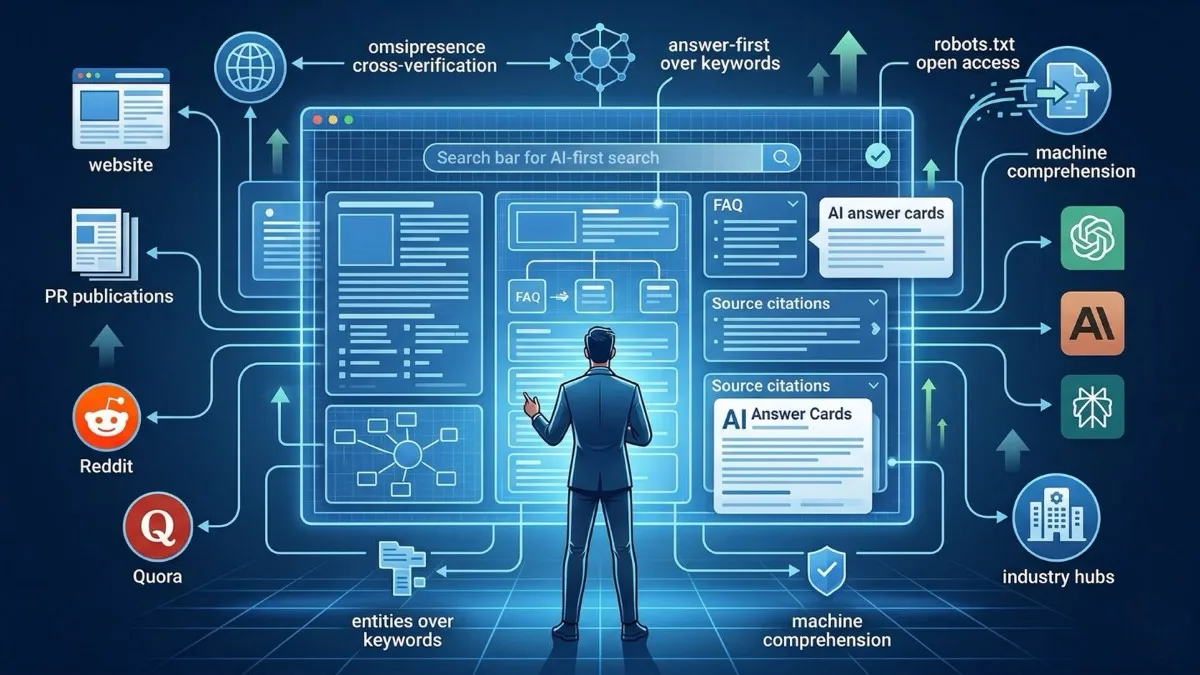

SEO for dentists used to be a fairly narrow job: find the right keywords, tidy up the title tags, done. That's no longer the whole picture. AI tools like ChatGPT, Perplexity, and Google's AI-driven results now handle a real chunk of the searches that used to go straight to a blue link. Traditional search hasn't gone anywhere either - Google and Bing still reward the same structured, well-optimised content they always have.
If you're running SEO for a dental clinic, the job now covers both. You want to show up when someone types "dentist near me" into Google, and show up when someone asks ChatGPT "who's the best dentist for veneers in London?"
What's the difference between traditional SEO and AI search?
Google still looks for structured signals - page titles, backlinks, keyword placement. "Cosmetic dentist in Leeds" is the kind of phrase you'd target directly. LLM-based search tools like ChatGPT, Grok, and Perplexity work differently: they understand natural language and hand back a conversational answer, so they're more likely to respond to something like "How do I know if I need a root canal?" or "Is teeth whitening safe for sensitive gums?" You need both kinds of optimisation to reach patients in every context they might search in.
Getting traditional search right (Google, Bing)
Start with keyword research that has local intent behind it - terms like "emergency dentist [city]", "affordable dental implants near me", "Invisalign vs braces", or "how much is a dental crown in the UK?" Tools like Google Keyword Planner, Ahrefs, or SEMrush will surface these. Focus on transactional queries: the ones that suggest someone is ready to book, not just browsing.
Local SEO does a lot of the heavy lifting after that:
- Claim and complete your Google Business Profile - accurate categories, full service listings, the works.
- Get your NAP details right - name, address, and phone number need to match everywhere they appear.
- List your practice in dental directories - Yell, WhatClinic, and the NHS directory all carry real weight.
- Encourage reviews that mention specifics - "Dr Smith is the best dentist for veneers in Glasgow" does more work than a generic five stars.
A well-optimised meta title looks something like this: "Dental Implants in Manchester | Affordable & Trusted Clinic". Beyond that, the on-page basics still matter: clear H1s and H2s carrying your primary and secondary keywords, alt text on before-and-after treatment images, and internal links between related service pages (from "Dental Crowns" to "Root Canal Treatment", for example). Dentist schema markup - LocalBusiness, FAQPage, Review - improves your odds of a rich result too.
Backlinks still count for something as well. Local news coverage, dental blogs, and relevant forums are worth pursuing, alongside sponsoring events or writing guest posts for local health sites. Testimonials and case studies that are genuinely good tend to earn links on their own, because people naturally point to them.
Optimising dental content for AI search (LLMs)
People don't talk to ChatGPT the way they type into Google. They ask full questions: "Why do my gums bleed when I brush?", "Is Invisalign painful?", "How much does a root canal cost in Birmingham?" Tools like AnswerThePublic, or ChatGPT itself, are useful for brainstorming the kind of questions patients are actually asking. Build FAQ sections and blog posts that answer them directly.
LLMs scan for content that answers the question straight away, so it helps to structure your site around three kinds of pages: informational ("What is a dental bridge?"), transactional ("Book a dental check-up in Bristol"), and comparison ("Teeth Whitening vs Veneers: Which Is Better?").
A good share of LLM queries also come through voice assistants, which rewards short, direct answers over long-winded ones. Something like:
How long does a filling take?
A filling usually takes 20 to 45 minutes.
Beyond the answers themselves, the site needs to be fast, mobile-friendly, and written in plain language - aim for roughly a Year 9 reading level.
Combine both approaches with content hubs
The way to satisfy Google's structure and an LLM's grasp of language at the same time is interlinked content clusters. A main page on "Dental Implants in Bristol" might sit above subpages on "How Much Do Dental Implants Cost?", "Are Implants Painful?", and "Dental Implant Recovery Tips" - tied together with internal linking, breadcrumb navigation, and consistent schema throughout.
Show real expertise and build trust
Both Google and AI search tools weigh expertise and trust signals heavily, and dental content is a good example of where that shows. List dentist bios with real credentials, photos, and years of experience. Mention affiliations - membership of the British Dental Association, for instance - and cite authoritative sources like the NHS, Mayo Clinic, or ADA where relevant. Adding author names and bios to blog posts ("Written by Dr Sarah James, BDS, 12+ years in general dentistry") strengthens this further, and it boosts trust in both traditional search and AI-generated answers.
Don't ignore reviews and testimonials
AI tools often summarise or cite reviews directly, so it's worth treating them as content in their own right: embed patient testimonials with permission, mark them up with schema, and encourage Google and Yelp reviews through post-visit emails. An AI-generated answer citing your practice might read something like "Dr Smith in Liverpool has over 200 five-star reviews for cosmetic work" - that's the kind of specific, sourced detail these tools like to surface.
Track what's actually working
The traditional metrics still matter: keyword rankings, Google Search Console clicks, and call or form conversion rates.
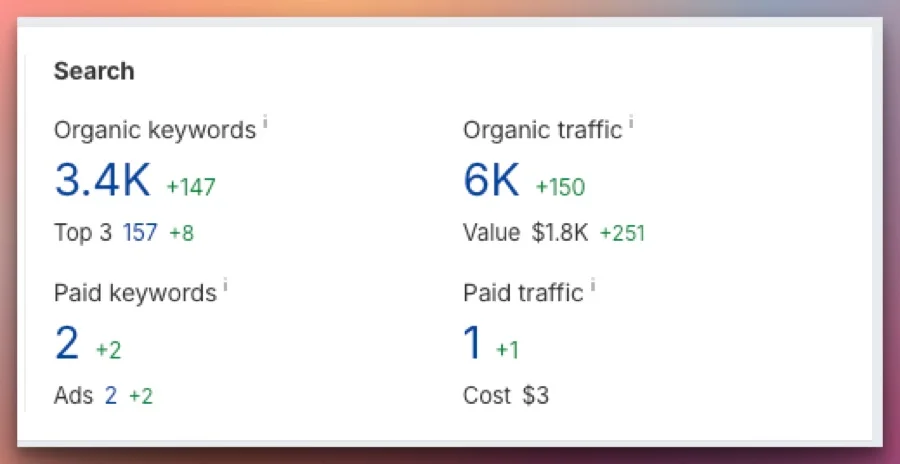
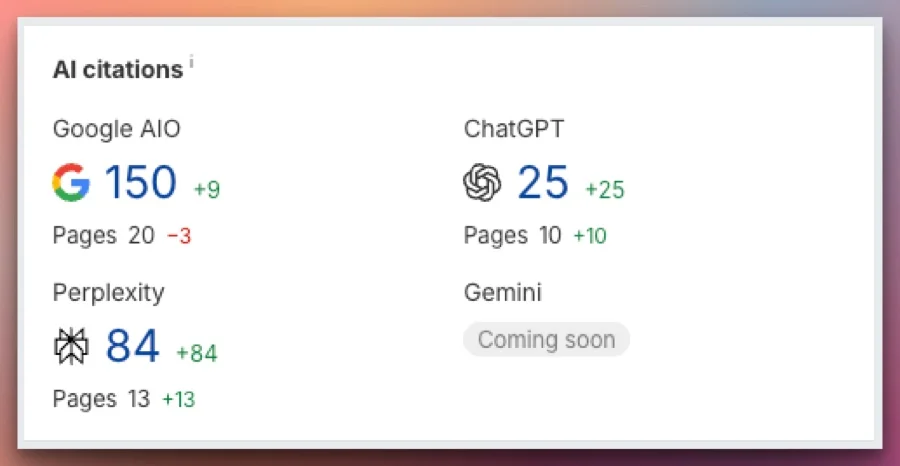
Alongside those, a newer set of AI metrics is worth watching too - whether your content appears in featured snippets (LLMs tend to favour these), branded and long-tail search impressions, and mentions in ChatGPT or other AI-generated answers, tracked through brand monitoring tools.
Final thoughts
SEO for dentists is evolving - ranking on Google and appearing in ChatGPT answers now go hand in hand. Focus on helpful, well-structured content that answers real patient questions first. Combine that with solid local SEO, schema markup, and sensible internal linking, and the site covers both angles at once.
This is the same approach we bring to every dental and healthcare client on our SEO service - see how it applies more broadly on our healthcare industry page.

Jinnat Ul Hasan
Founder & CEO, Whizz People