Social media marketing has changed how businesses reach people, and two platforms in particular now shape most of that conversation: TikTok and LinkedIn. One thrives on short, entertaining video. The other runs on professional credibility. Neither works if you treat it like the other.
This is a look at what each platform actually does well, where they overlap, and where the real work still has to happen: consistency, creator relationships, and content that doesn't just chase a trend for its own sake.
Why TikTok works for marketing
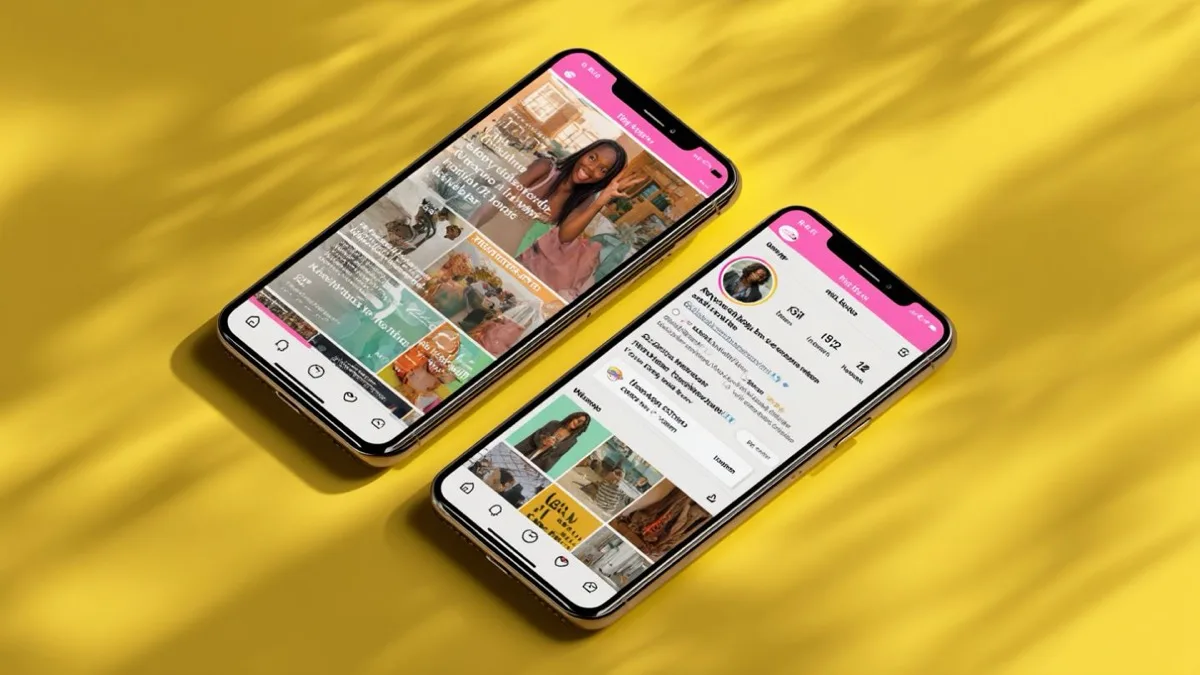
TikTok built its reach on an algorithm that ranks content by engagement, not follower count. That's why a small business with no advertising budget can end up in front of more people than a global brand with a much bigger one. Businesses have used trends, challenges, and creator partnerships to build awareness, turning 15-second clips into real traffic for their online stores.
The accounts that get results treat authenticity as the whole strategy, not an add-on. A well-timed TikTok video, shot without too much polish, tends to outperform a heavily produced ad. Get that right and the platform can move people from watching to buying.
LinkedIn: the professional side of the equation
LinkedIn plays a different game. It's built for B2B marketing and professional networking, and its real value is thought leadership, employee advocacy, and lead generation rather than viral reach. With over 800 million users, it gives businesses a place to publish industry insight, share case studies, and post company updates that build trust with the people actually making buying decisions.
The businesses getting the most from LinkedIn combine three things: publishing posts that show real expertise, running targeted ads (sponsored content and InMail both deliver measurable return), and staying active in industry groups instead of posting and disappearing. LinkedIn's analytics also make it easier to see what's working and adjust, rather than guessing.
Why the two work better together than apart
TikTok and LinkedIn aren't competing for the same job. TikTok builds personality and reaches younger audiences - Gen Z and Millennials in particular - while LinkedIn reaches professionals and B2B buyers. Businesses running both, with content built for each platform rather than the same post reused twice, tend to see the biggest combined reach.
A tech startup, for example, might use TikTok to show company culture through behind-the-scenes video, while using LinkedIn to publish whitepapers and reports aimed at investors. Same company, two different audiences, two different jobs for the content to do.
The wider trends worth watching
A few shifts are shaping social media marketing beyond these two platforms. Short video keeps winning, with Instagram Reels and YouTube Shorts both leaning further into it. Social commerce is closing the gap between discovery and purchase, with shoppable posts turning a scroll into a sale on Instagram and TikTok. Audiences are rewarding authenticity over polish, trusting rough, real content more than anything that looks scripted. And the tools for tracking what's actually working, rather than what looks good, keep getting better across every platform.
None of that is a reason to chase every trend. It's a reason to stay aware of where attention is moving and adjust before a channel goes flat.
What makes this hard
None of this comes free. Algorithm changes can cut organic reach overnight, which pushes businesses toward paid advertising just to hold onto the visibility they already had. Making consistent, decent content takes real time and real people, and going up against bigger brands and their budgets can feel like a losing fight for a small business.
That said, small businesses with the right strategy still get outsized results here. Reach isn't only bought, it's earned through consistency and knowing the platform. Working with a team that already knows the mechanics of each one can save months of trial and error.
Why it matters
Done properly, social media marketing builds visibility, engagement, and revenue at the same time. Businesses that treat it as a real channel, not an afterthought, tend to report better customer retention and loyalty over time. Used well, platforms like TikTok and LinkedIn turn followers into a community, and a community into customers.
Social platforms are only half the picture. See how we approach organic visibility on the SEO page, or how AI automation can take the reporting and content-planning grind off your team's plate.

Jinnat Ul Hasan
Founder & CEO, Whizz People