
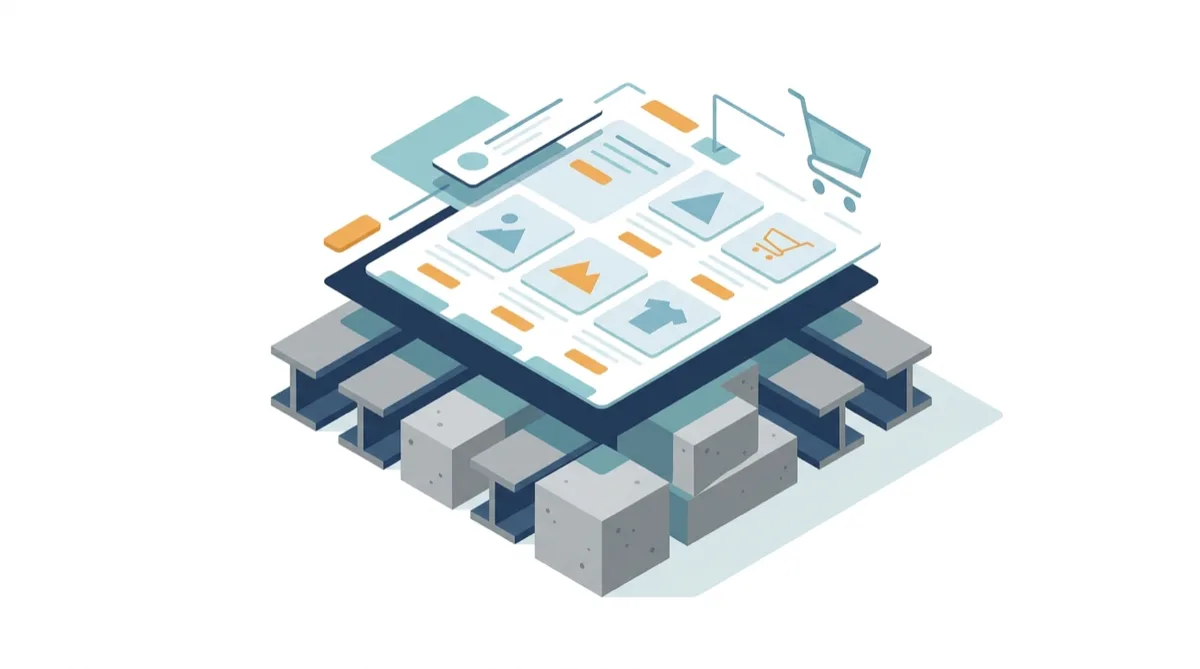
Three months before this write-up, we took over a WooCommerce store that had effectively disappeared from organic search. By November, traffic had almost collapsed.
Background
The business had been working with an SEO and development agency for months. Yet the fundamentals weren't in place. There was no structured content plan aligned to commercial intent, category pages were weakly optimised, technical issues were hurting crawlability and indexation, and the site itself was slow and frequently unstable.
It wasn't a traffic problem. It was structural.
Strategy
Instead of layering on more content, we rebuilt the foundations first. That meant migrating to stable hosting to get rid of the downtime and performance swings, reworking the site architecture and product taxonomy so it matched commercial search intent, and fixing indexation waste, canonical conflicts, and gaps in internal linking. We also worked through Core Web Vitals across every category and product template.
We relaunched at the end of November.
Results
Comparing the last three months to the same period a year earlier: impressions went from 132,000 to 394,000, and clicks went from 7,280 to 11,300. Average position improved from 12.2 to 6.9.
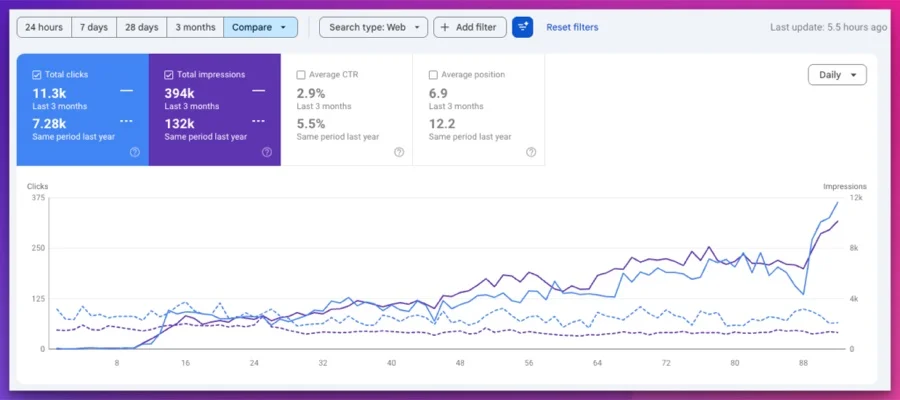
That shift in average position is the real driver. Moving from page two to consistent page one visibility changes everything in e-commerce.
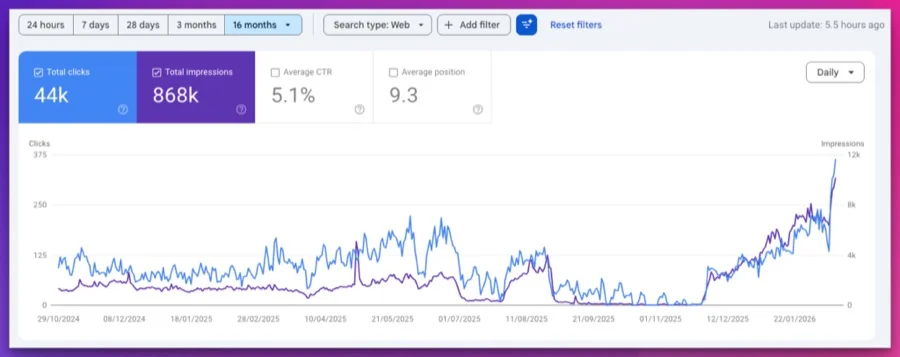
Over the past 16 months, the site has reached 868,000 impressions, the highest level in its history, and it's still climbing.
Takeaways
This is what happens when technical debt gets removed, when SEO and development work together instead of in separate lanes, and when the site's architecture supports search intent instead of fighting it.
Most e-commerce brands don't need more content. They need a technical foundation that lets the SEO work actually land.
If you're running WooCommerce, Shopify, or a large catalogue store and growth has plateaued, it's often structural, not tactical.
See how we approach this kind of rebuild on our technical SEO page.
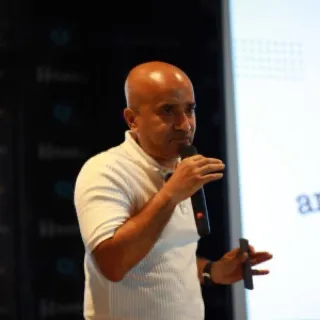
Jinnat Ul Hasan
Founder & CEO, Whizz People